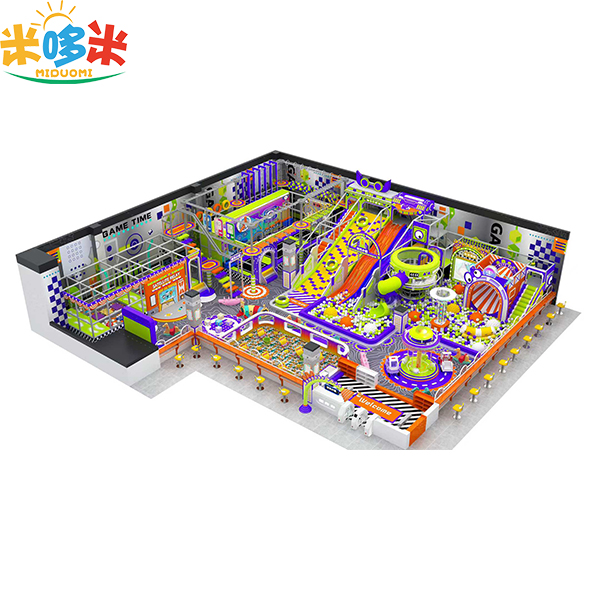
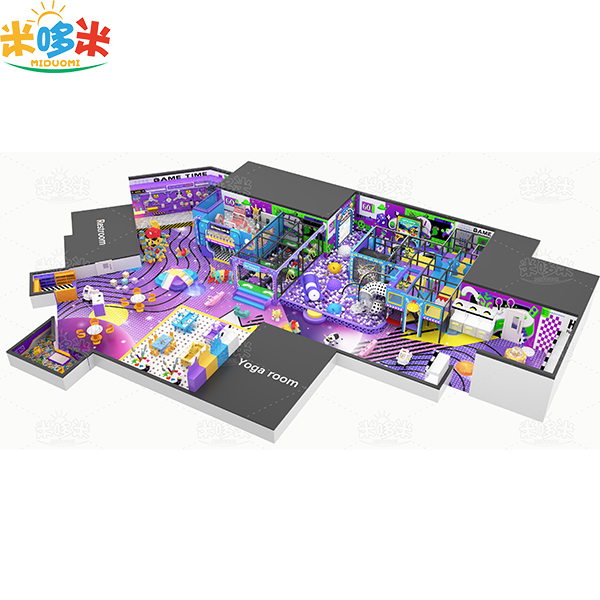
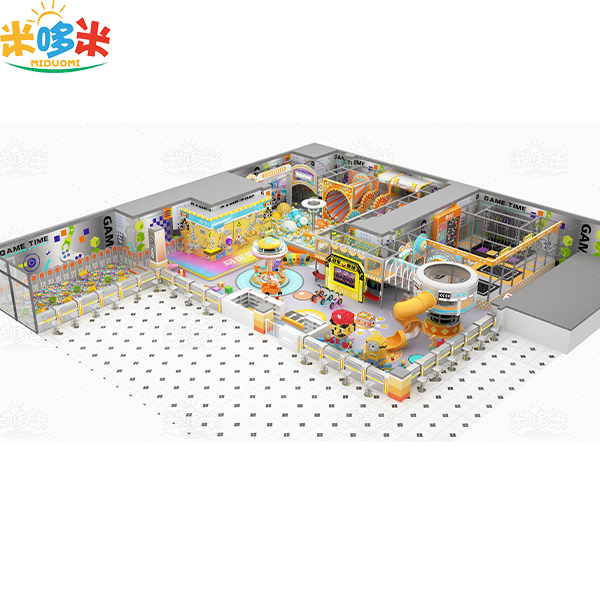
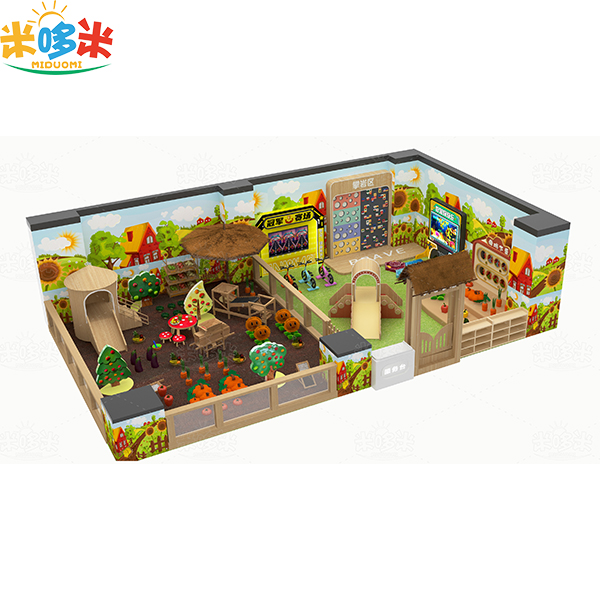
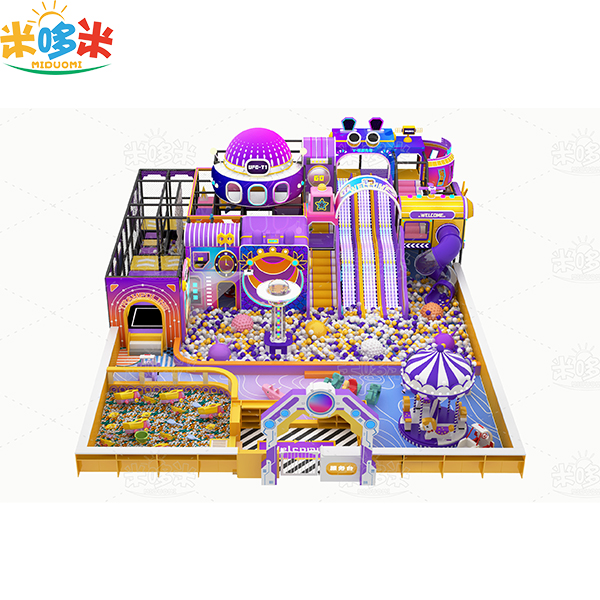
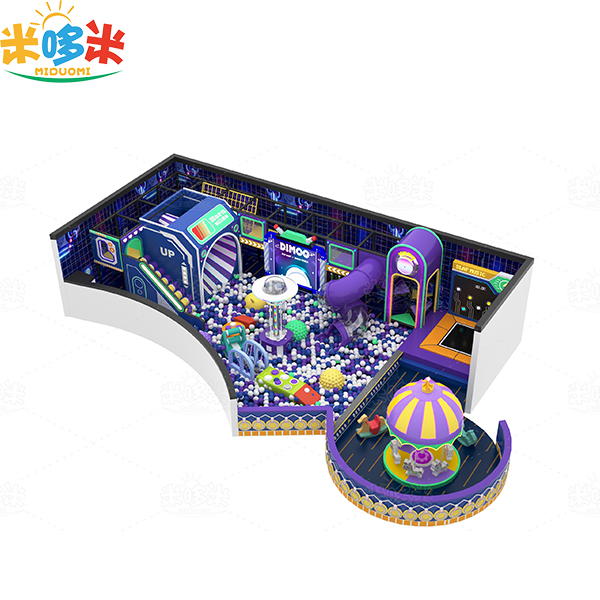
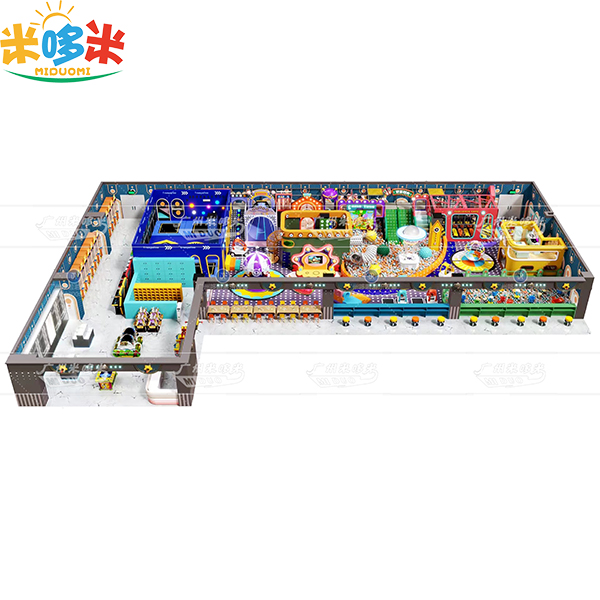
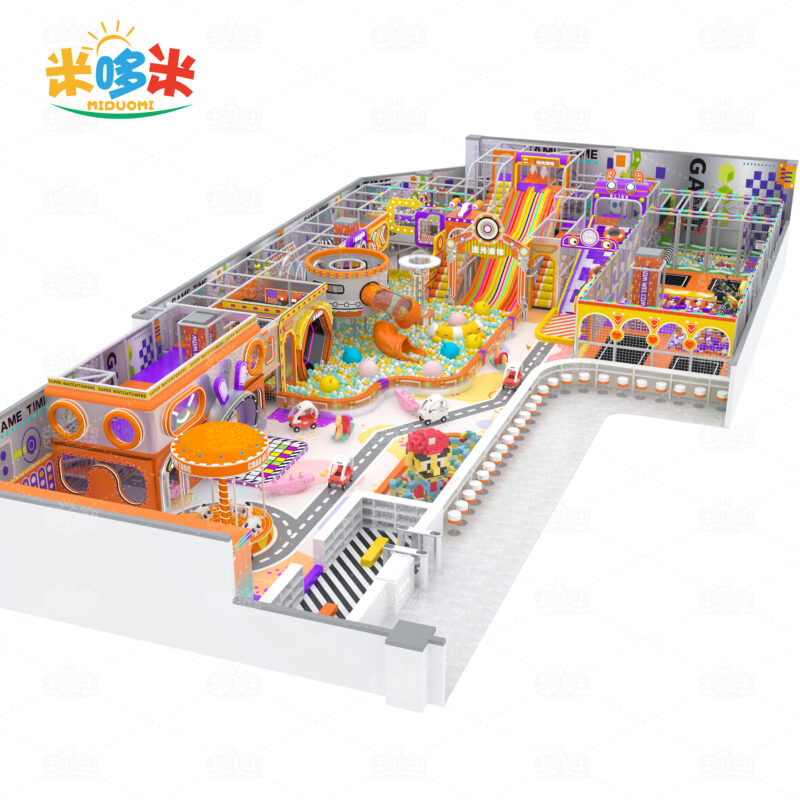
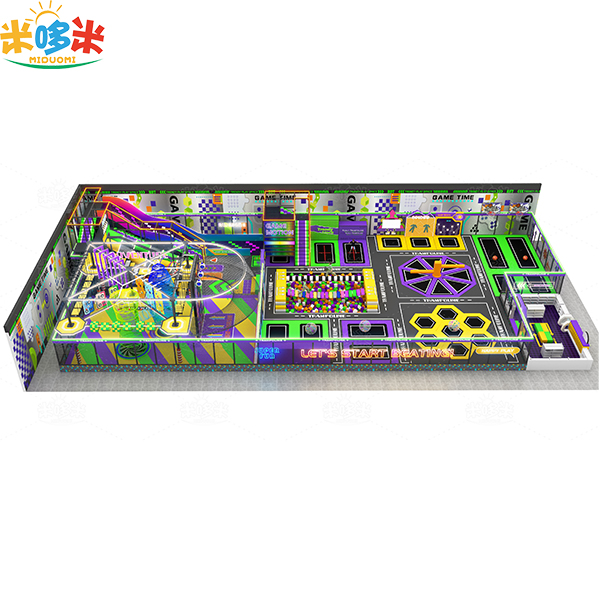
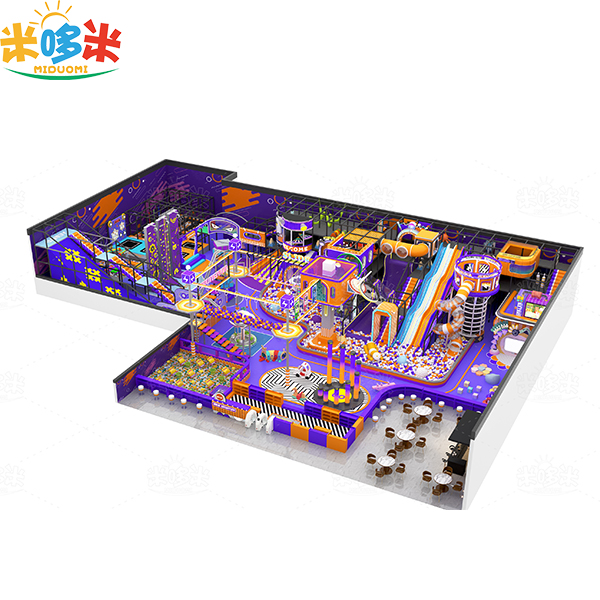
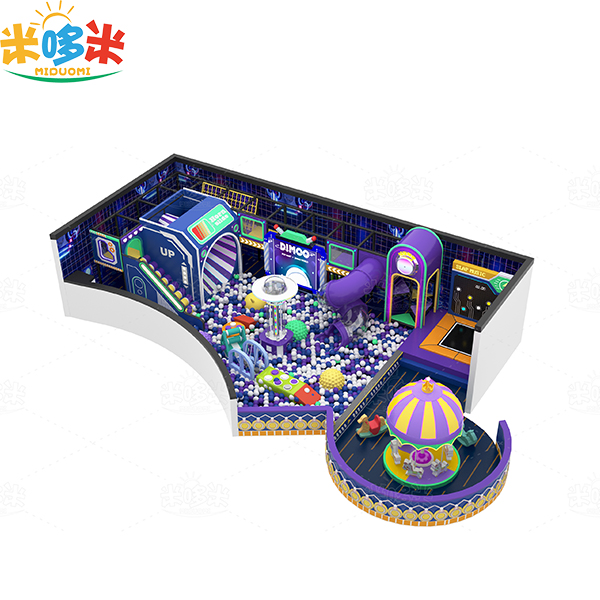
The indoor playground industry is booming. Parents are looking for safe, engaging, and weather-independent places for their children to play. From shopping malls and family entertainment centers to daycares and restaurants, indoor playgrounds have become a profitable addition to any family-focused business.
But here’s the challenge:
Your indoor playground is only as good as your equipment supplier.
The right supplier gives you:
Safe, certified equipment
Creative, custom designs
On-time delivery and installation
Long-term reliability
The wrong supplier gives you:
Safety violations and injuries
Constant repairs and downtime
Wasted investment
Legal liability
This guide covers everything you need to know to choose the best indoor playground equipment supplier for your business.
Indoor playground equipment refers to a wide range of soft play, climbing, and activity structures designed for indoor use. These are typically made from foam, vinyl, plastic, wood, and metal components.
Unlike outdoor playgrounds, indoor facilities operate regardless of the weather. Rain, snow, or extreme heat — business continues.
2. Parent Demand for Safe Play
Modern parents prioritize safety. Indoor playgrounds offer controlled environments with soft surfaces and constant supervision.
3. Rising Birth Rates in Key Markets
While global birth rates vary, markets like the Middle East, Southeast Asia, and parts of Africa continue to see strong youth populations.
4. Diversification for Existing Businesses
Restaurants, hotels, shopping malls, and family entertainment centers add indoor playgrounds to:
Increase dwell time
Attract families
Generate additional revenue
5. Birthday Party Revenue
A well-designed indoor playground can host 10–30 birthday parties per weekend, generating £500–2000+ per party.
Types of Indoor Playground Suppliers
Not all suppliers serve the same market. Understand the difference.
Mass producer
Standard, pre-designed equipment
Budget-conscious buyers, small spaces
Low–Medium
Custom manufacturer
Bespoke designs, themed playgrounds
High-end FECs, malls, branded venues
Medium–High
Soft play specialist
Foam-based toddler equipment
Daycares, soft play centres, hotels
Low–Medium
Rope/climbing specialist
Net structures, high ropes
Adventure parks, large FECs
Medium–High
Full-service supplier
Design, manufacturing, installation, support
Serious investors, turnkey projects
High
For most serious investors, choose a full-service supplier or a custom manufacturer. Mass producers save money upfront but incur higher repair costs and lost revenue later.
12 Factors to Evaluate Before Choosing a Supplier
1. Safety Certifications (Non-Negotiable)
This is the most important factor. Unsafe equipment can injure children and destroy your business.
Required certifications (by region):
Europe
EN 1176, EN 71
All playground equipment safety
UK
BS EN 1176
British adoption of European standard
USA
ASTM F1487, ASTM F1918
Public playgrounds, soft contained play
Canada
CSA Z614
Playground equipment safety
Australia
AS 4685
Playground equipment
Gulf region
GSO standards
Increasingly required
Ask your supplier:
Do you have EN 1176 or ASTM certification?
Can you provide test reports for each product type?
Are your materials phthalate-free, lead-free, and non-toxic?
Red flag: “Our equipment is safe, but we don’t have certification.”
2. Material Quality
Indoor playground equipment must withstand thousands of hours of active use.
Most playground buyers are not playground designers. A good supplier helps you maximize your space.
What a good supplier provides:
Site visit or CAD drawing analysis
Recommended equipment density (square meters per child)
Traffic flow optimization
Sight lines for supervision
Accessibility compliance (wheelchair access where required)
6. Age Appropriateness
Different age groups need different equipment.
Toddlers (0–3)
Under 90cm
Crawling, sliding (low), ball pits
Soft play only, no climbing
Preschool (3–5)
90–110cm
Climbing (low), slides, tunnels
Soft play with light climbing
School age (5–8)
110–135cm
Higher climbing, rope nets, basic obstacle
Mixed soft and structure
Older kids (8–12)
135–150cm+
High climbing, trampolines, advanced obstacle
Structure-focused
Teens (12+)
150cm+
Ninja warrior, climbing walls, sports
High-intensity equipment
Best practice: Separate zones for different age groups to prevent accidents.
7. Installation Services
Installation is often the most stressful part of opening a playground.
Ask your supplier:
Do you provide installation, or do I need local contractors?
Is installation included in the quote?
How long does installation take for my space size?
Do you send your own team or subcontract locally?
Is there a warranty on installation workmanship?
Ideal scenario: Supplier provides a trained installation team with supervision during the first week of operation.
8. Warranty and After-Sales Support
Equipment will need repairs. Parts will wear out. A good supplier stands behind their product.
Frame structure
5–10 years
1 year or none
Foam and padding
2–5 years
90 days
Vinyl covering
1–2 years
30 days
Moving parts (slides, etc.)
1–2 years
None
Labour (repairs)
1 year
None
Also ask:
Do you stock spare parts locally?
What is your response time for warranty claims?
Do you offer maintenance contracts?
9. Manufacturing Location and Lead Times
China (major supplier)
30–60 days
Varies widely
Low–Medium
Turkey
40–70 days
Good
Medium
Europe (Spain, Italy, Poland)
45–90 days
High
High
USA / Canada
60–120 days
High
Very high
For UK buyers: China offers the best value if you find a quality-focused supplier. European suppliers offer faster shipping but higher prices.
10. Minimum Order Value (MOV)
Unlike consumer goods, playground equipment has a minimum project size.
Small / boutique
£5,000–15,000
Small play areas, cafes, daycares
Mid-size supplier
£15,000–50,000
Standard soft play centres
Large manufacturer
£50,000–200,000+
Full FECs, malls, major attractions
Be realistic: A quality 100m² (1,076 sq ft) indoor playground typically costs £30,000–80,000 fully installed.
11. References and Past Projects
Ask for:
Photos of at least 5 completed projects (similar size to yours)
Video walkthroughs (not just edited promo videos)
Contact information for 2–3 past customers
Call past customers. Ask:
Did the equipment arrive on time?
Was the quality as promised?
How has the supplier handled any issues?
Would you buy from them again?
12. Interactive Technology Integration
Modern indoor playgrounds increasingly include interactive elements.
Projection games
Floor or wall games with motion tracking
High (attracts older kids)
LED dance floors
Light-up tiles that respond to footsteps
Medium
RFID tracking
Parent-child matching wristbands
Safety feature
Digital scoring
Obstacle course timers, climbing challenges
High (competitions)
VR/AR zones
Virtual reality play stations
Very high (premium pricing)
If you plan to add interactive elements, ensure your supplier has experience integrating technology.
Red Flags: Avoid These Suppliers
No safety certifications
Legal liability, child injury risk
Prices 40% below market
Low-quality materials that will fail quickly
No physical factory address
Cannot verify manufacturing capability
Won’t provide customer references
Past customers are unhappy
Only accepts full payment upfront
No leverage if equipment is defective
Cannot provide 3D renderings
They don’t have design capability
Very long lead times (90+ days)
Cash flow problems or overcommitted
Pushy sales tactics
More interested in commission than your success
How to Test a Supplier Before Committing
Step 1: Request a Small Sample
For soft play equipment, request a small sample (e.g., a foam block or a section of vinyl). Pay for it.
Test the sample for:
Vinyl thickness and stitching quality
Foam density (squeeze test)
Smell (chemical odour = poor materials)
Fire retardant certification
Step 2: Visit a Completed Project
If possible, visit a playground the supplier has built. Play in it yourself. Talk to the owner.
What to observe:
Is the vinyl torn or patched?
Do seams show wear?
Are foam blocks compressed?
Are children engaged and safe?
Step 3: Request a 3D Design
Before paying a deposit, request a preliminary 3D layout. A serious supplier will provide this for a small design fee (refundable with order).
Step 4: Check Online Reviews
Look for reviews on:
Alibaba (verified transactions)
Google Maps (if they have a local office)
Industry forums (IAAPA member forums, etc.)
Trade show history (have they exhibited at major shows?)
Step 5: Ask These 15 Questions
What safety certifications do your products have?
Can you provide current EN 1176 or ASTM test reports?
What is your foam density and vinyl thickness?
Do you use phthalate-free, lead-free materials?
Can you show me 3–5 projects similar to mine?
What is your typical lead time from deposit to delivery?
Do you provide installation, or do I arrange it?
What is your warranty on structure, foam, and vinyl?
Do you stock spare parts in the UK or Europe?
What happens if something breaks during the warranty period?
Can you incorporate my branding or theme?
What payment terms do you offer?
Have you done projects in the UK before?
Can I speak to two past customers?
What is not included in your quote (shipping, installation, customs, etc.)?
Pricing Guide (2026 Estimates)
Indoor playground pricing varies widely based on size, complexity, and features.
Per Square Meter Pricing (equipment only, excluding installation):
Budget
£150–250/m²
£250–400/m²
Not available
Mid-range
£250–400/m²
£400–700/m²
£700–1,200/m²
Premium
£400–600/m²
£700–1,000/m²
£1,200–2,500/m²
Total Project Cost Examples (fully installed, 2026):
50m²
Cafe corner, small daycare
£15,000–30,000
£20,000–40,000
100m²
Small soft play centre
£30,000–60,000
£45,000–85,000
200m²
Standard FEC
£60,000–140,000
£90,000–200,000
500m²
Large family entertainment centre
£150,000–400,000
£250,000–600,000
1,000m²+
Major attraction, mall anchor
£400,000–1,000,000+
£600,000–1.5M+
Additional Costs to Budget:
Shipping (China to UK)
10–20% of equipment cost
Customs duties and VAT
15–25% (depending on country)
Installation
10–20% of equipment cost
Electrical work (if interactive)
£5,000–30,000
Flooring (specialised safety flooring)
£30–80/m²
HVAC (adequate for active play)
£10,000–50,000
Business Models for Indoor Playgrounds
Understanding how you will make money helps you choose the right equipment.
Pay-per-play
Entry fees, session tickets
High-density, variety of activities
Membership/subscription
Monthly fees
Durable, repeatable activities
Birthday parties
Party packages
Party room + open play area
Café/restaurant attached
Food and beverage
Smaller play area, seating nearby
Add-on to existing business
Increased dwell time
Compact, low-maintenance
Daycare / nursery
Tuition fees
Age-appropriate, educational
Hotel / resort
Room premiums, guest amenity
Attractive, low-staffing
ROI Timeline: How Long to Recoup Your Investment
High-traffic mall location
12–24 months
Standalone FEC (good location)
18–36 months
Small soft play centre
24–48 months
Daycare / nursery addition
24–36 months
Café with play area
12–24 months
Hotel / resort
24–48 months
Factors that accelerate ROI:
Birthday party revenue (often 30–50% of total)
Membership programs
Café sales
High population density area
Frequently Asked Questions
Q: What is the lifespan of indoor playground equipment? A: Quality equipment: 5–10 years for foam/vinyl, 10–15+ years for metal/plastic structures. High-use items (slides, ball pits) may need to be replaced sooner.
Q: How many children can fit in a 100m² playground? A: Industry standard: 1 child per 3–4m² of play space. A 100m² playground can accommodate 25–35 children safely.
Q: Do I need insurance? A: Yes. Public liability insurance is essential. Many insurers require EN 1176 certification and regular inspections.
Q: How often does equipment need inspection? A: Daily visual checks by staff. Formal annual inspection by a certified playground inspector.
Q: Can I buy used equipment to save money? A: Possible but risky. Used equipment may lack certification, have hidden damage, or not meet current safety standards. If buying used, have it professionally inspected.
Q: What’s the difference between soft play and hard play? A: Soft play = foam-based, covered in vinyl, designed for toddlers/preschoolers. Hard play: plastic/metal structures and climbing nets for older children.
Q: Do I need planning permission? A: Usually yes for standalone facilities. For equipment within an existing building, check local regulations. Your supplier should advise.
Q: Can I add equipment later? A: Yes, if you plan for expansion. Tell your supplier upfront that you want a modular design that allows future additions.
Final Checklist: Choosing Your Indoor Playground Supplier
Before signing a contract:
Verified safety certifications (EN 1176, ASTM, etc.)
Reviewed material specifications (foam density, vinyl thickness)
Seen 3D renderings of my proposed layout
Visited at least one completed project (or video walkthrough)
Called 2–3 past customers as references
Confirmed installation is included or has a clear plan.