Indoor Playground – Detailed Introduction
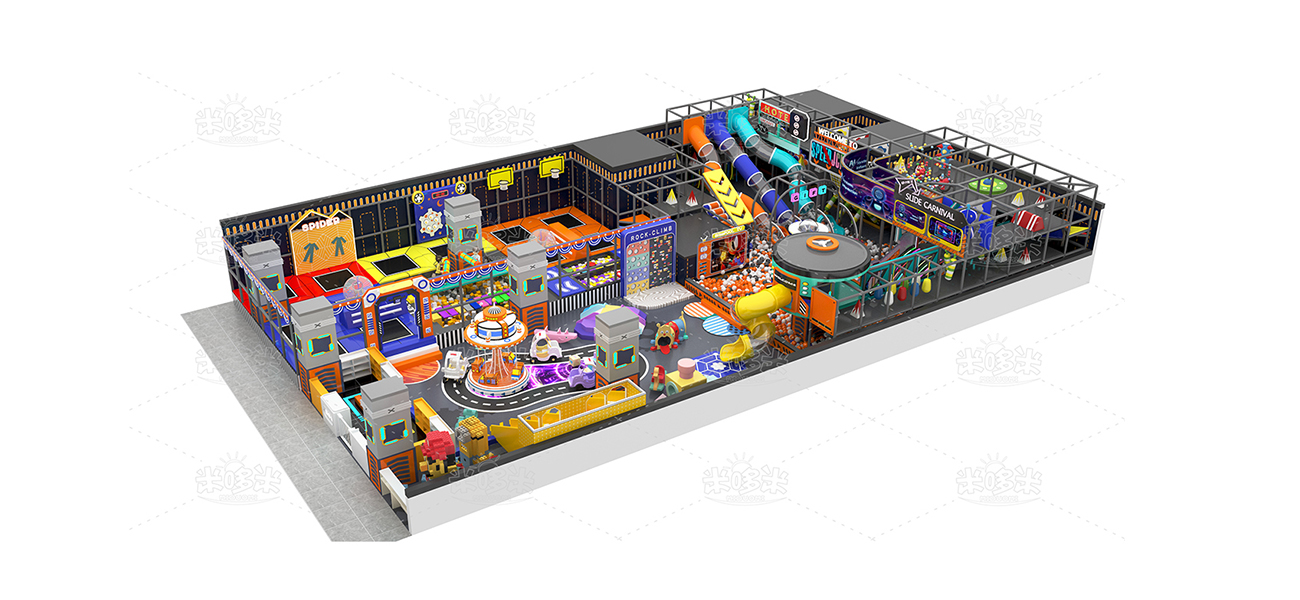
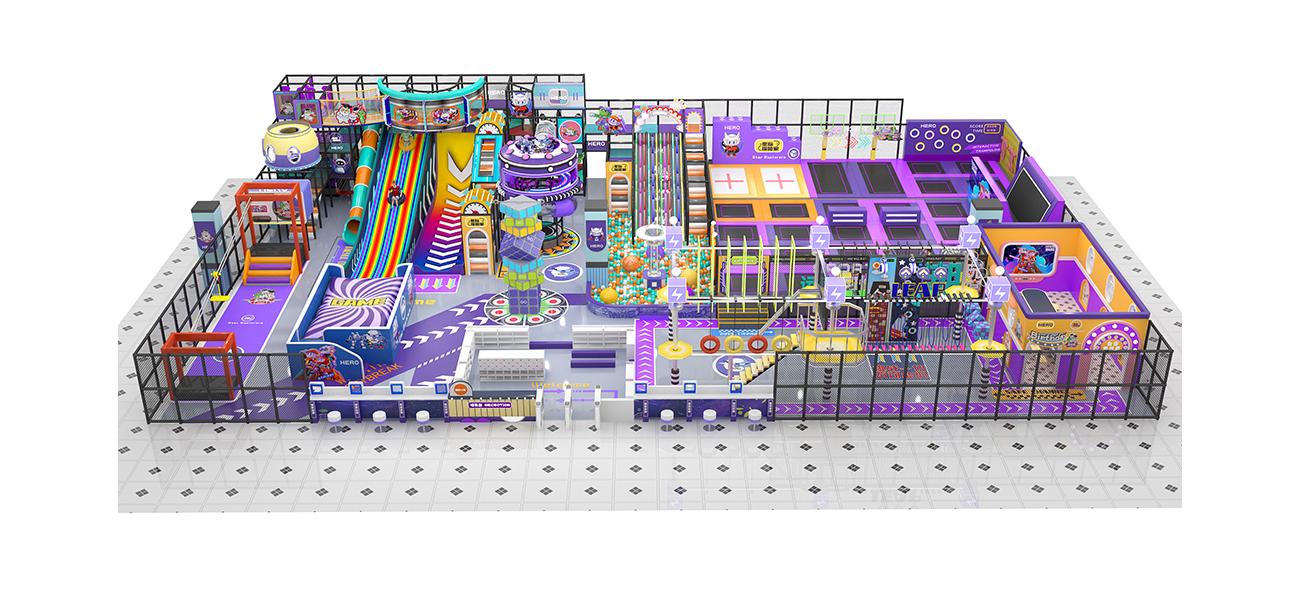
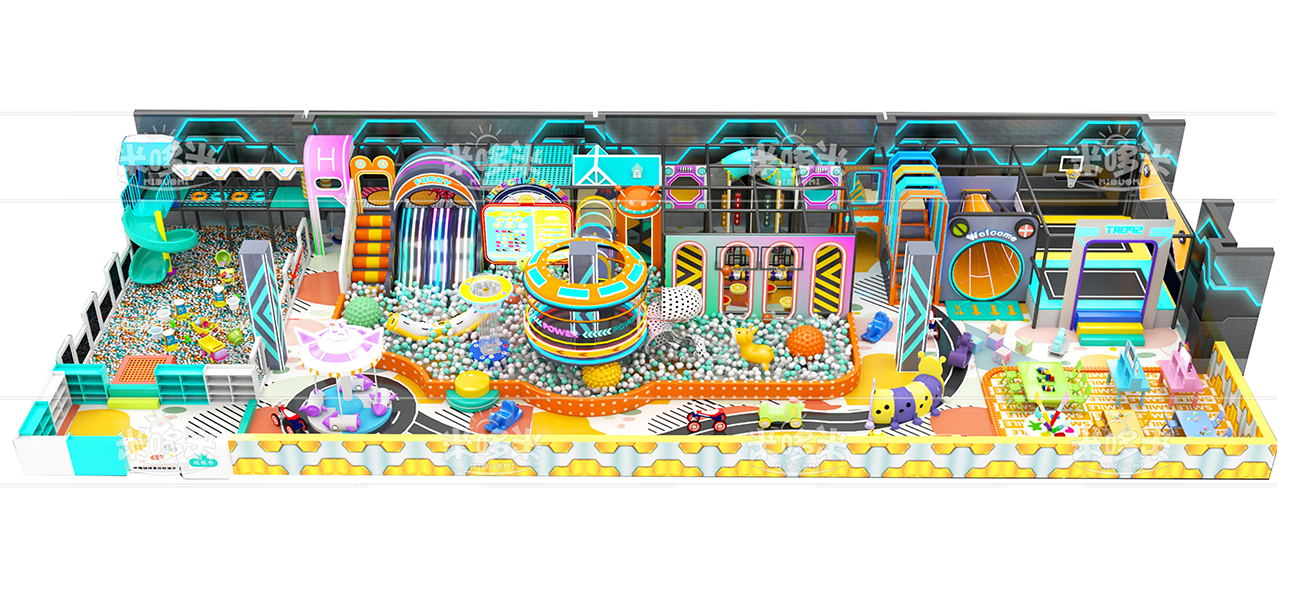
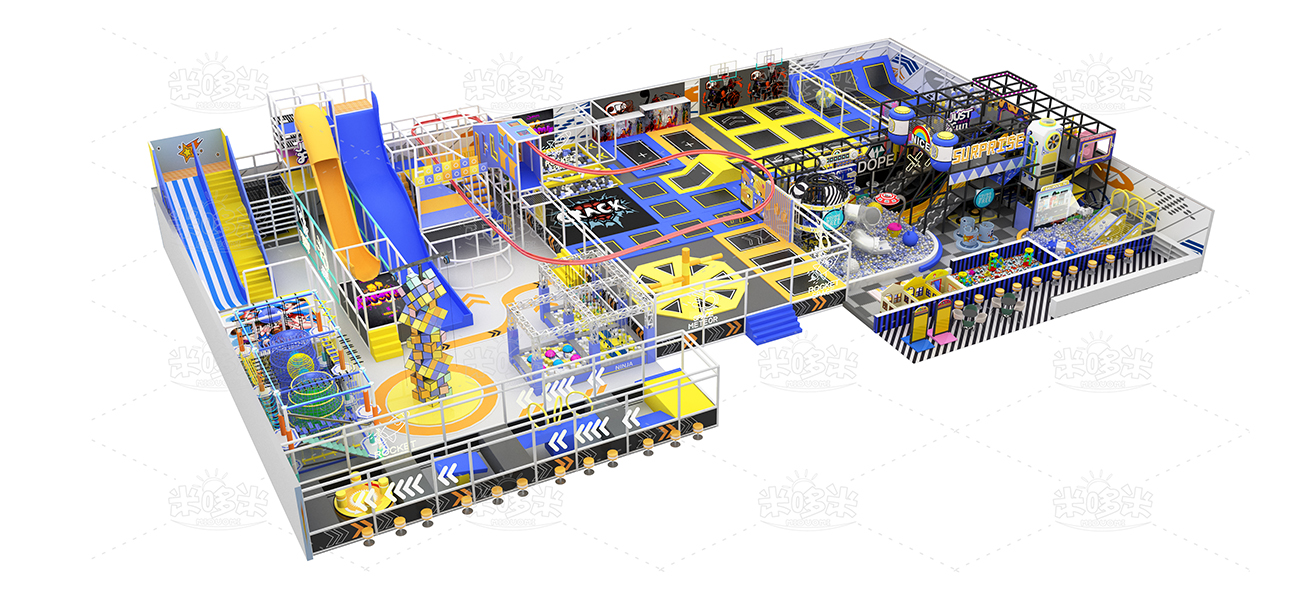
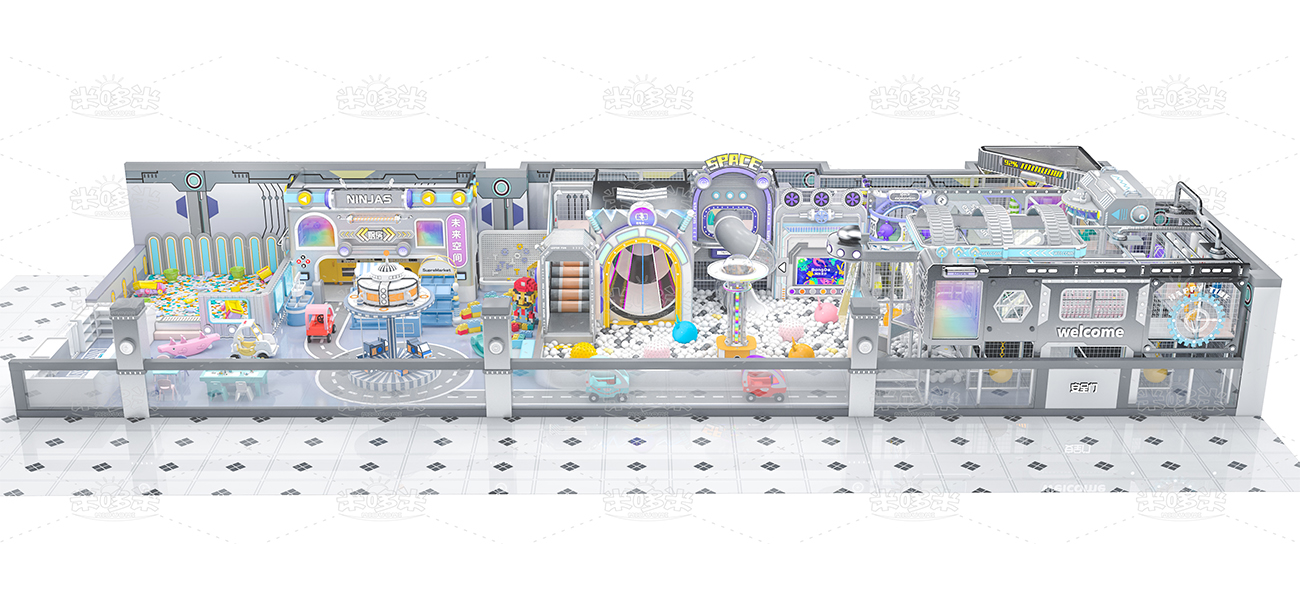
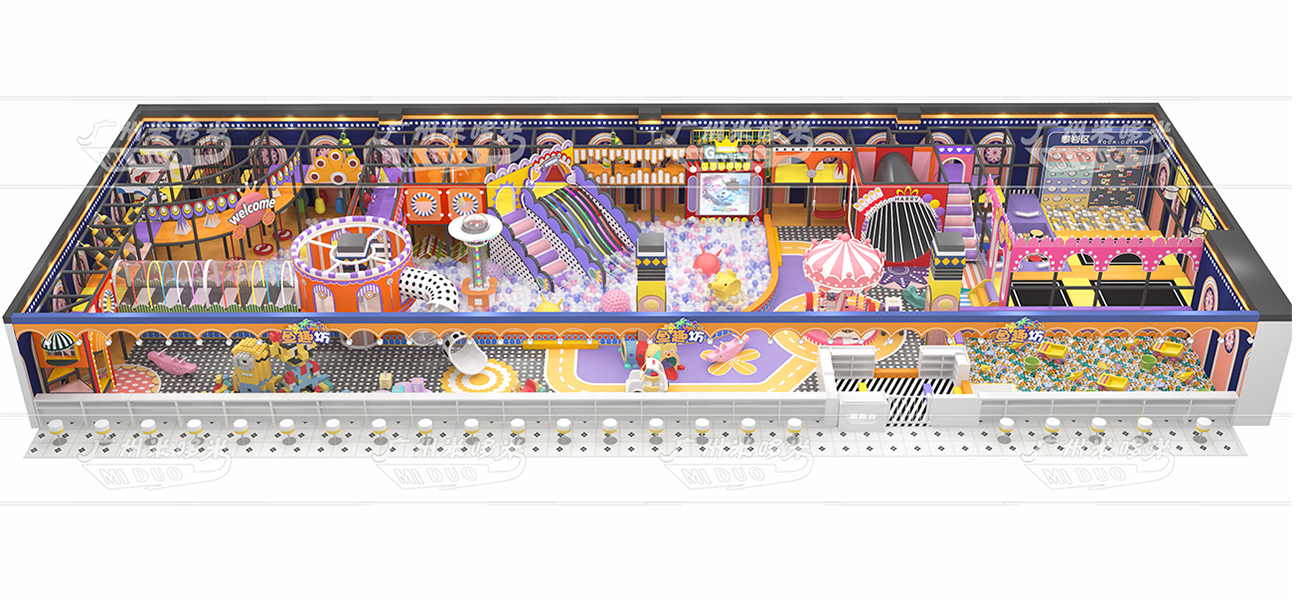
It refers to a large, comprehensive indoor children’s play facility.
You can think of it as a fixed indoor, brightly colored, and multi-functional “children’s adventure park” or “play castle.”
I. Core Definition: A Safe “Play Castle”
A soft play area is designed to cater to children’s natural instincts to crawl, climb, slide, jump, roll, rock, and swing, scientifically combining various play elements into a single structure. It is typically encased in soft materials (such as foam, plastic, and inflatable components), aiming to provide children with a safe and fun-filled play space.
II. Main Components (What’s inside?)
A standard soft play area usually includes the following types of facilities:
1. Basic Core Projects:
Ball Pit/Ball Ocean Pit: A pool filled with colorful plastic balls where children can jump in, throw balls, and play scavenger hunts.
Slides: Including straight slides, spiral slides, wave slides, etc.
Climbing Area: Features padded climbing walls, climbing nets, and climbing ladders to develop children’s coordination and courage.
Trampoline: Independent or connected jumping areas to release children’s energy.
2. Extension Activities:
Tunnels/Crawling Holes: Mesh or tubular passages connecting different areas to satisfy children’s climbing and crawling desires.
Rolling Bridges/Soft Bridges: Swaying bridge surfaces to challenge children’s balance.
Obstacles: Padded obstacles of various shapes for children to cross.
Themed Interactive Equipment: Such as cannons, rotating discs, coconut trees, waterbeds, small stages, etc.
III. Main Features and Value (Why is it popular?)
1. High Safety: This is the most important feature. The equipment is non-powered, all edges and corners are padded, and the ground is covered with soft mats to effectively prevent children from bumping and getting injured.
2. Educational and Playful:
Physical Exercise: Climbing, running, and jumping comprehensively develop children’s muscle strength, balance, and body coordination.
Developing Mindset: Children learn colors and counting through play, fostering courage, a spirit of exploration, and a sense of rules.
Promoting Social Skills: Playing together helps children learn basic social skills such as queuing, sharing, and cooperation.
3. Efficient Space Utilization: Utilizing a three-dimensional design, it makes full use of limited spaces in shopping malls, supermarkets, etc.
4. 24/7 Operation: As an indoor facility, it is unaffected by weather and suitable for all seasons.
Common Locations
You can find indoor playgrounds in the following places:
• Large shopping malls
• Supermarket entrances or interiors
• Standalone children’s playgrounds/early education centers
• Community activity centers
• Restaurants (family restaurants with children’s play areas)
If you need an indoor playground design, please contact us!